
Conquering the challenges of long-haul flights doesn’t require superhuman endurance; it demands strategic planning and clever hacks. This guide unveils practical tips and tricks designed to transform your next lengthy journey from an ordeal into a surprisingly pleasant experience. From pre-flight preparation to post-flight recovery, we explore effective strategies for maximizing comfort, productivity, and overall well-being during extended air travel.
We delve into essential packing lists, optimal seating choices, and engaging in-flight activities to alleviate boredom and jet lag. Learn how to optimize your personal comfort, boost productivity, and prioritize health and wellness throughout your flight. This comprehensive guide equips you with the knowledge to navigate long flights with ease and arrive at your destination refreshed and ready for adventure.
Pre-Flight Comfort
Long-haul flights can be arduous, but careful planning and preparation can significantly improve your comfort and reduce stress. By focusing on pre-flight comfort, you can set the stage for a more enjoyable journey. This section will Artikel key strategies and essential items to make your long flight more pleasant.
Essential Items for Enhanced Flight Comfort
Packing strategically is crucial for a comfortable long-haul flight. These five items can make a significant difference in your overall experience.
- Neck Pillow: A supportive neck pillow is essential for preventing neck pain and promoting restful sleep. Look for one that conforms to your neck and offers good head support, ideally one that can be easily packed.
- Eye Mask: Blocking out light is key to sleeping on a plane, especially during daytime flights. Choose a comfortable, soft eye mask that fully covers your eyes and doesn’t put pressure on them.
- Noise-Cancelling Headphones or Earplugs: The noise levels on a plane can be disruptive. Noise-cancelling headphones significantly reduce ambient noise, while earplugs offer a more affordable alternative for blocking out sound.
- Compression Socks: Long flights can lead to poor circulation in your legs. Compression socks improve blood flow, reducing swelling and discomfort.
- Travel-Sized Toiletries: Pack a small bag with essential toiletries like hand sanitizer, lip balm, moisturizer, and any personal medications. This will keep you feeling refreshed and comfortable throughout the flight.
Choosing the Most Comfortable Airline Seat
Selecting the right seat is paramount for long-haul flights. Your choice should consider flight duration and personal preferences.
| Seat Type | Pros | Cons |
|---|---|---|
| Window Seat | More privacy, ability to lean against the wall, better view | Difficult to get up and use the restroom, less legroom if the person next to you reclines |
| Aisle Seat | Easy access to the restroom and aisle, more legroom (sometimes), easier to get up and stretch | People may bump into you when passing, less privacy |
| Bulkhead Seat | Usually more legroom | May not recline fully, tray tables may be fixed, potentially less storage space |
Pre-Flight Routine for Relaxation and Jet Lag Minimization
A well-planned pre-flight routine can significantly impact your comfort and reduce jet lag.
Start by getting adequate sleep in the days leading up to your flight. Avoid excessive alcohol and caffeine before the flight, as these can dehydrate you and disrupt your sleep. On the day of the flight, eat a light and healthy meal before heading to the airport to avoid feeling sluggish. Consider adjusting your sleep schedule gradually in the days before your departure to help your body adapt to the time change at your destination.
Finally, once onboard, establish a consistent sleep-wake cycle as much as possible to minimize jet lag.
In-Flight Entertainment and Productivity
Long flights can feel interminable, but with a little planning, you can transform them from tedious journeys into productive or enjoyable experiences. By engaging in a variety of activities and strategically managing your time, you can arrive at your destination feeling refreshed and accomplished, rather than exhausted and drained. This section offers suggestions for both entertainment and productivity during your next long-haul flight.
Successfully navigating a long flight involves a blend of engaging activities and productive endeavors. The key is to strike a balance that caters to your personal preferences and needs. This ensures you arrive feeling both relaxed and accomplished.
Engaging Offline Activities for Long Flights
The following ten activities offer a diverse range of entertainment options, all achievable without relying on electronic devices. They are designed to stimulate your mind, relax your body, and pass the time pleasantly.
- Read a book: Immerse yourself in a captivating novel or an informative non-fiction work.
- Listen to audiobooks or podcasts: Download your favorite audio content beforehand for uninterrupted enjoyment.
- Engage in creative writing: Start a short story, poem, or journal your travel experiences.
- Practice mindfulness or meditation: Use the quiet time for self-reflection and stress reduction.
- Learn a new language: Utilize a language learning book or flashcards to expand your linguistic skills.
- Solve puzzles or brain teasers: Carry a crossword, Sudoku, or logic puzzles to challenge your mind.
- Play travel-sized board or card games: Engage in a solo game or bring a pack of cards for a simple card game.
- People-watch: Observe your fellow passengers and create stories in your mind based on their appearance and behavior.
- Listen to music: Download your playlists onto an MP3 player for offline access.
- Sketch or draw: Bring a small sketchbook and pencils to capture your surroundings or create abstract art.
Tips for Maximizing Productivity on a Long Flight
Long flights present a unique opportunity to catch up on work or make progress on creative projects. These tips will help you utilize this time effectively.
- Prioritize tasks: Identify the most important tasks to tackle and focus your energy accordingly.
- Set realistic goals: Avoid overwhelming yourself with too many tasks; focus on achieving a few key objectives.
- Minimize distractions: Let your fellow passengers know you need quiet time, or use noise-canceling headphones.
- Utilize flight time strategically: Allocate specific blocks of time for focused work, interspersed with breaks for relaxation.
- Prepare your materials: Ensure you have all necessary documents, stationery, and any offline software you might need.
Sample 12-Hour Flight Itinerary
This sample itinerary balances relaxation, entertainment, and productivity for a 12-hour flight. Remember to adjust it based on your individual preferences and the flight schedule.
- Hours 1-2: Settle in, enjoy a meal, and begin reading a book.
- Hours 3-5: Work on a prioritized task, such as writing a report or answering emails.
- Hours 6-7: Take a break, stretch, and listen to music or a podcast.
- Hours 8-9: Engage in a relaxing activity, such as meditation or people-watching.
- Hours 10-11: Complete another work task or creative project.
- Hour 12: Prepare for landing, organize your belongings, and reflect on your productive and relaxing journey.
In-Flight Health and Wellness
Long flights can significantly impact your health and well-being. Dehydration, stiffness, and jet lag are common complaints. Prioritizing your health during a long flight is crucial for arriving at your destination feeling refreshed and ready to enjoy your trip. By implementing a few simple strategies, you can mitigate the negative effects of air travel on your body and mind.
Hydration Strategies for Long Flights
Maintaining adequate hydration is paramount during air travel. The dry recycled air in airplane cabins dehydrates you more quickly than usual. Dehydration can lead to fatigue, headaches, and other discomforts. To combat this, begin hydrating well before your flight. Avoid excessive caffeine and alcohol before and during the flight as these can contribute to dehydration.
Instead, opt for water throughout the flight. Carry an empty reusable water bottle through security and fill it up after clearing security. Request water from flight attendants regularly. Consider adding electrolyte tablets to your water to replace essential minerals lost through perspiration. Furthermore, consume hydrating foods such as fruits and vegetables.
In-Flight Exercises and Stretches
Regular movement is essential to improve circulation and prevent stiffness during long flights. The confined space of an airplane seat makes it challenging, but even simple stretches can make a significant difference. Remember to consult your doctor before starting any new exercise routine, especially if you have pre-existing health conditions.
- Neck Rolls: Gently rotate your head clockwise and then counterclockwise, five to ten times each direction. Image: Gentle neck stretches to relieve tension, showing proper form. This image depicts a person sitting upright, gently tilting their head to the right, then left, and then rotating it in a circular motion. The expression on their face should be relaxed and comfortable.
- Shoulder Shrugs: Raise your shoulders towards your ears, hold for a few seconds, and then release. Repeat ten times. Image: A person sitting upright with their shoulders raised towards their ears. The image highlights the correct posture and the movement of the shoulders.
- Arm Circles: Extend your arms to the sides and make small circles forward, then backward, ten times each direction. Image: A person sitting upright with arms extended to the sides, performing small circular motions with their arms. The image clearly demonstrates the movement of the arms.
- Leg Extensions: Extend one leg at a time, straightening it as much as possible. Hold for a few seconds and repeat ten times per leg. Image: A person sitting upright with one leg extended straight out in front of them, while the other leg is bent at the knee. The image clearly shows the leg extension and the proper posture.
- Ankle Rotations: Rotate your ankles clockwise and counterclockwise, ten times each direction. Image: A person sitting upright with their feet flat on the floor, gently rotating their ankles in a circular motion. The image emphasizes the rotation of the ankles and the relaxed posture.
Jet Lag Mitigation Techniques
Jet lag, caused by disruption to your body’s natural circadian rhythm, can be debilitating. Natural methods can help minimize its effects. Adjusting your sleep schedule gradually in the days leading up to your flight can ease the transition. During the flight, try to sleep when it’s nighttime at your destination. Upon arrival, immediately expose yourself to sunlight to help reset your internal clock.
Avoid excessive caffeine and alcohol, and maintain a regular sleep-wake schedule. Consider taking melatonin supplements, but consult your doctor first, as it can interact with other medications. A consistent sleep schedule and gradual adjustment to the new time zone are key to minimizing jet lag.
Post-Flight Recovery
Landing after a long flight can leave you feeling drained and disoriented. The effects of air pressure changes, dehydration, and disrupted sleep cycles can significantly impact your ability to enjoy your destination immediately. A proactive approach to post-flight recovery is key to minimizing fatigue and maximizing your trip’s enjoyment. This section will Artikel strategies for a smooth transition, focusing on practical steps to help you adjust to your new surroundings and overcome the lingering effects of air travel.
Five Tips for a Smooth Transition After a Long Flight
Minimizing post-flight fatigue requires a multi-pronged approach. The following tips address key areas that contribute to discomfort and exhaustion after a long journey.
- Hydrate Immediately: Air travel significantly dehydrates the body. Upon arrival, begin rehydration by drinking plenty of water, avoiding excessive caffeine or alcohol which can further dehydrate. Consider electrolyte drinks to replenish lost minerals.
- Gentle Movement: Avoid immediately collapsing. Light exercise, such as a short walk or some gentle stretching, can improve circulation and reduce stiffness. This helps to combat the effects of prolonged sitting.
- Prioritize Sleep (But Strategically): While the urge to sleep immediately is strong, consider a light meal and a short period of wakefulness before attempting to sleep. This can help regulate your body clock more effectively, depending on the time zone shift.
- Light Meal and Healthy Snacks: Avoid heavy, rich meals immediately after arrival. Opt for light, easily digestible foods that won’t upset your stomach. Keep healthy snacks on hand to maintain energy levels throughout the day.
- Adjust to the Local Time Zone Quickly: Expose yourself to natural sunlight to help regulate your circadian rhythm. Try to adjust your sleep schedule and mealtimes according to the local time zone as soon as possible. Avoid napping during the day, unless it is absolutely necessary.
A Post-Flight Routine to Help Adjust to a New Time Zone
A structured routine can significantly aid in adapting to a new time zone. Consistency is crucial.
- Upon Arrival: Drink water, engage in light exercise, and have a light meal.
- Daytime: Maximize sunlight exposure, stay active, and avoid long naps. This helps reset your internal clock.
- Evening: Begin winding down in preparation for sleep at the local bedtime. A warm bath or shower can be helpful.
- Sleep: Aim for consistent sleep times, even if you are initially tired or awake.
- Gradual Adjustment: Continue this routine for several days until your body fully adjusts to the new time zone. Be patient; it takes time.
Comparison of Methods for Dealing with Jet Lag
Various methods exist to mitigate jet lag, each with its own advantages and disadvantages.Natural remedies such as melatonin supplements, regular exercise, and hydration are often recommended. However, their effectiveness can vary depending on individual responses and the severity of the time zone shift. Over-the-counter medications, like certain sleep aids, may provide temporary relief but could have side effects.
The best approach often involves a combination of strategies tailored to individual needs and circumstances. For example, a person traveling across multiple time zones might benefit from a combination of melatonin, hydration, and a structured sleep schedule, while someone traveling a shorter distance might find that adjusting their sleep schedule and staying hydrated is sufficient.
Travel Hacks (General)
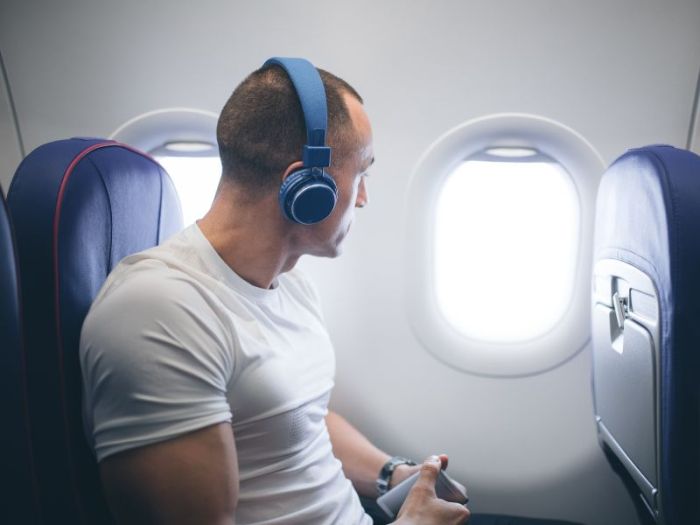
Navigating the complexities of long-haul travel often requires more than just a well-packed suitcase. These general travel hacks can significantly enhance your journey, from pre-departure planning to post-flight recovery. They encompass practical strategies for efficient packing, leveraging technology, and maintaining comfort and well-being throughout your trip.
Versatile Travel Hacks
A well-chosen set of travel hacks can make a substantial difference in your overall travel experience. These versatile techniques can be adapted to a wide range of travel scenarios, regardless of your destination or mode of transport.
| Hack | Benefit |
|---|---|
| Pack versatile clothing items (e.g., neutral-colored tops that can be mixed and matched). | Reduces luggage weight and allows for a variety of outfits. |
| Utilize packing cubes to compress clothing and organize your luggage. | Maximizes space and keeps items wrinkle-free. |
| Roll your clothes instead of folding them. | Saves space and minimizes wrinkles. |
| Carry a portable charger for your electronic devices. | Ensures you have power on the go, especially during long flights or layovers. |
| Keep important documents (passport, tickets, etc.) in a secure, easily accessible place. | Prevents loss or theft and streamlines security checks. |
| Use a lightweight travel backpack as your personal item. | Allows for easy access to essentials during the flight and reduces reliance on checked luggage. |
| Notify your bank and phone provider of your travel dates. | Prevents your cards from being blocked and ensures uninterrupted communication. |
| Learn a few basic phrases in the local language of your destination. | Enhances interactions with locals and can be helpful in unexpected situations. |
| Take advantage of airport lounges (if available). | Provides a comfortable space to relax and recharge before your flight. |
| Bring a reusable water bottle to stay hydrated. | Saves money and reduces plastic waste while ensuring you stay hydrated throughout your journey. |
Efficient Packing for Long Trips
Packing efficiently for an extended trip involves strategic planning and the utilization of space-saving techniques. The goal is to minimize luggage weight while maximizing the number of items you can carry. This reduces the physical strain of carrying heavy bags and minimizes the risk of lost luggage. Prioritizing versatile clothing items, utilizing packing cubes, and rolling instead of folding are key strategies.
Consider creating a packing list categorized by day or activity to avoid overpacking.
Travel Apps that Enhance the Experience
Mobile applications can significantly improve the travel experience, providing convenient access to information, streamlining logistics, and enhancing overall convenience.
Here are five apps that can be beneficial for travelers:
- Google Maps: Offers offline maps, real-time navigation, and location-based information.
- TripAdvisor: Provides reviews, ratings, and recommendations for hotels, restaurants, and activities.
- Duolingo: Facilitates learning basic phrases in the local language of your destination.
- XE Currency Converter: Offers real-time currency exchange rates and conversion tools.
- FlightAware: Provides real-time flight status updates and tracking information.
Travel Insurance
Planning a trip, especially a long one, involves careful consideration of many factors. Securing adequate travel insurance is often overlooked, yet it’s a crucial element that can significantly mitigate potential risks and financial burdens associated with unexpected events during your journey. Choosing the right policy can provide peace of mind and protect your investment.Travel insurance policies vary widely in their coverage, offering different levels of protection depending on your needs and the type of trip you’re undertaking.
Understanding these differences is key to selecting the most appropriate policy.
Types of Travel Insurance Coverage
Several types of travel insurance coverage exist, each designed to address specific circumstances. A comprehensive policy often bundles several of these together. Common types include trip cancellation or interruption insurance, medical expense coverage, emergency medical evacuation, baggage loss or delay coverage, and travel delay coverage. Trip cancellation insurance covers pre-paid, non-refundable trip expenses if you must cancel your trip due to a covered reason, such as a sudden illness or a natural disaster at your destination.
Medical expense coverage helps pay for medical treatment received while traveling abroad. Emergency medical evacuation covers the cost of transporting you to a suitable medical facility or back home in case of a serious medical emergency. Baggage loss or delay coverage compensates you for lost or delayed luggage. Finally, travel delay coverage reimburses you for expenses incurred due to significant flight delays.
Factors to Consider When Choosing Travel Insurance
Selecting the right travel insurance policy requires careful consideration of several factors. The most important factors include the length and type of trip, your destination, your pre-existing medical conditions, the level of activity planned, and your personal risk tolerance. The length of your trip directly impacts the potential for unforeseen events. Longer trips naturally increase the likelihood of needing coverage.
Your destination’s safety and medical infrastructure also play a crucial role. Trips to remote areas or countries with limited medical facilities may require more extensive coverage. Pre-existing medical conditions might influence your eligibility for certain policies or necessitate supplemental coverage. The level of planned activity, whether it’s a relaxing beach vacation or an adventurous trek, can influence the type of coverage you need.
Finally, your risk tolerance will determine the level of coverage you are comfortable with, impacting your premium cost.
Essential Information for Filing a Travel Insurance Claim
Filing a travel insurance claim requires providing comprehensive and accurate information to support your request. Failure to do so can delay or even deny your claim. A checklist of essential information typically includes the policy number, the date and time of the incident, a detailed description of the incident, supporting documentation such as medical bills or police reports, and contact information for all parties involved.
Keep all relevant receipts and documentation organized throughout your trip to facilitate a smoother claims process. It is recommended to photograph important documents as a backup in case of loss or damage. Prompt notification of the insurance company is also crucial. Many policies have specific time limits for reporting incidents.
Travel Photography
Capturing stunning travel photos can significantly enhance your travel memories, transforming fleeting moments into lasting keepsakes. Whether you’re a seasoned photographer or just starting, utilizing your smartphone effectively can yield impressive results. This section explores key techniques and tools to elevate your travel photography.
Smartphone Photography Tips for Stunning Travel Shots
Mastering travel photography with a smartphone involves more than simply pointing and shooting. These five tips will help you capture breathtaking images that truly represent the essence of your journey.
- Rule of Thirds: Instead of centering your subject, position it along imaginary lines that divide the frame into thirds both horizontally and vertically. This creates a more balanced and visually appealing composition. Imagine a tic-tac-toe grid overlaid on your screen; placing your subject at the intersection of these lines often results in a more dynamic image.
- Utilize Natural Light: Golden hour (the hour after sunrise and the hour before sunset) provides the most flattering and warm lighting. Avoid harsh midday sun, which can create harsh shadows and washed-out colors. Cloudy days offer a diffused, soft light that’s ideal for photography.
- Experiment with Angles and Perspectives: Don’t be afraid to get creative! Shoot from low angles to emphasize grandeur, or from high angles to capture a unique perspective. Consider shooting from unusual viewpoints to add depth and interest to your photos.
- Clean Your Lens: Smudges and fingerprints can significantly impact image quality. Before taking a photo, always wipe your phone’s lens with a clean, soft cloth to ensure clarity and sharpness.
- Edit Your Photos: Post-processing can significantly enhance your images. Free mobile apps offer powerful editing tools, allowing you to adjust brightness, contrast, saturation, and more (discussed further below).
Composition and Lighting in Travel Photography
Composition and lighting are fundamental elements in creating compelling travel photographs. Effective composition guides the viewer’s eye through the image, creating a sense of balance and harmony. Lighting sets the mood and dramatically impacts the overall aesthetic of the photograph.A well-composed photograph often employs leading lines (roads, rivers, fences) to draw the viewer’s eye towards the main subject.
The use of negative space (empty areas around the subject) can also create a sense of calm and spaciousness. Proper lighting, as mentioned earlier, can transform an ordinary shot into an extraordinary one. Backlighting can create silhouettes, while side lighting can add depth and texture.
Editing Travel Photos Using Free Mobile Apps
Several free mobile apps offer robust editing capabilities, allowing you to enhance your travel photos without the need for expensive software. Here’s a step-by-step guide using a hypothetical example, focusing on the common features available across most applications.
- Import your photo: Open your chosen app (e.g., Snapseed, Lightroom Mobile) and import the travel photo you wish to edit.
- Adjust Brightness and Contrast: Use the brightness slider to increase or decrease the overall lightness of the image. The contrast slider adjusts the difference between the light and dark areas, enhancing depth.
- Fine-tune Saturation and Vibrance: Saturation affects the intensity of all colors, while vibrance selectively boosts the less saturated colors, preventing oversaturation. Adjust these sliders to achieve a natural and pleasing color palette.
- Crop and Straighten: Use the cropping tool to remove unwanted elements from the image and straighten any tilted horizons. This helps to create a cleaner, more professional look.
- Sharpen and Reduce Noise: The sharpening tool enhances the details and clarity of the image. The noise reduction tool minimizes any graininess or artifacts, particularly noticeable in low-light photos.
- Save and Share: Once you’re satisfied with your edits, save the image to your phone’s gallery and share it with your friends and family on social media or other platforms.
Travel Tips (Beyond Flights)
Navigating the world of international travel can be daunting, especially for first-timers. This section offers practical advice to enhance your experience, from pre-trip planning to navigating unfamiliar environments. Careful preparation and a proactive approach can significantly reduce stress and maximize enjoyment.
Essential Travel Tips for First-Time International Travelers
A well-planned trip is a successful trip. These ten tips address crucial aspects of international travel for those embarking on their first adventure abroad.
- Obtain necessary visas and travel documents well in advance of your departure date. Allow ample time for processing, as delays can significantly impact your travel plans.
- Inform your bank and mobile phone provider of your travel dates and destinations to avoid service interruptions or blocked transactions.
- Make copies of your passport, visa, and other important documents, storing them separately from the originals. Consider storing digital copies in a secure cloud service.
- Research local customs and etiquette to avoid unintentional cultural faux pas. Understanding basic phrases in the local language can also enhance your interactions.
- Learn about local laws and regulations, particularly regarding alcohol consumption, photography, and public behavior.
- Pack appropriately for the climate and planned activities. Consider packing versatile clothing items that can be mixed and matched.
- Exchange currency before your trip or use a travel-friendly credit card to avoid high exchange fees at airports or tourist destinations.
- Familiarize yourself with basic first-aid and be prepared for minor illnesses or injuries. Pack a small first-aid kit with essential medications.
- Keep valuables secure and be aware of your surroundings to minimize the risk of theft or loss. Avoid displaying expensive jewelry or electronics openly.
- Stay connected with family and friends back home. Share your itinerary and check in regularly to provide updates on your well-being.
Tips for Saving Money on Travel Expenses
Budgeting is key to affordable travel. These five strategies can help you stretch your travel dollars further.
- Travel during the off-season or shoulder season to take advantage of lower prices on flights and accommodations. Popular destinations often see a surge in prices during peak seasons.
- Consider alternative accommodations such as hostels, guesthouses, or Airbnb rentals, which can be significantly cheaper than hotels.
- Take advantage of free activities, such as walking tours, visiting parks, and exploring local markets. Many cities offer free or low-cost cultural experiences.
- Eat like a local. Avoid expensive tourist traps and opt for local eateries and street food for more affordable and authentic meals.
- Utilize public transportation whenever possible instead of taxis or ride-sharing services. Public transport is often a significantly cheaper option, and it allows you to experience the city like a local.
Navigating Unfamiliar Public Transportation Systems
Successfully navigating unfamiliar public transport requires preparation and resourcefulness. A proactive approach can make the experience smooth and efficient.
Before your trip, research the local public transportation system. Many cities have user-friendly websites and apps that provide maps, schedules, and real-time updates. Download relevant apps such as citymapper or Google Maps. Familiarize yourself with ticketing systems and fare structures. Consider purchasing a multi-day pass if you plan on using public transportation extensively.
When using the system, pay close attention to signage and announcements. Don’t hesitate to ask locals for assistance if you get lost or confused. Many people are happy to help, especially if you show that you’re making an effort to navigate the system independently.
For added security, consider carrying a physical map as a backup in case of technological issues. Having a backup plan, such as knowing alternative routes or having taxi contact information, can be beneficial in case of delays or unexpected disruptions.
Travel Visa
Securing the necessary travel visa is a crucial step in international travel planning. The process can vary significantly depending on your nationality and your destination country, but understanding the general steps and requirements can significantly reduce stress and potential delays. This section Artikels the key aspects of the visa application process, common requirements, and steps to take if your application is unsuccessful.The process of applying for a travel visa generally involves several key steps.
First, you must determine the specific type of visa required based on the purpose of your trip (tourism, business, work, etc.) and the regulations of your destination country. This often requires researching the relevant embassy or consulate website. Next, you’ll need to gather all the necessary documentation, which can include a completed application form, passport photos, proof of financial means, travel itinerary, and potentially a letter of invitation or employment verification.
The application is then submitted, usually online or in person, along with the applicable fees. Finally, you’ll need to wait for a decision, which can take several weeks or even months depending on the country and the volume of applications.
Visa Application Requirements
Common requirements for various travel visas often overlap, but specific needs differ greatly. Generally, all visa applications require a valid passport with sufficient remaining validity, a completed application form, and passport-sized photographs that meet specific guidelines. Beyond these basics, financial proof (bank statements, proof of employment, sponsorship letters) is usually necessary to demonstrate the applicant’s ability to support themselves during their stay.
A detailed travel itinerary, including flight bookings and accommodation reservations, may also be required, especially for tourist visas. Some countries may also require proof of health insurance and a criminal background check. Business visas will often require additional documentation such as letters of invitation from the host company and detailed business plans.
Visa Application Denial
If your visa application is denied, understanding the reasons for the denial is crucial. The embassy or consulate will typically provide a reason for the rejection, which might include insufficient financial proof, incomplete documentation, or concerns about your intentions for travel. You can then address these concerns by gathering additional evidence and reapplying. However, reapplying is not guaranteed to result in approval.
It’s recommended to thoroughly review the requirements and address any shortcomings before submitting a new application. Seeking professional assistance from an immigration lawyer may be beneficial in complex cases or when dealing with multiple rejections.
Urban Escapes
Planning a quick getaway? Urban escapes offer a vibrant alternative to traditional vacations, providing a blend of culture, history, and exciting activities within a compact timeframe. These destinations offer diverse experiences, catering to various interests and budgets.
Five Exciting Urban Destinations for a Short Getaway
Choosing the right city for a short break depends heavily on your priorities – whether it’s historical exploration, vibrant nightlife, culinary adventures, or artistic immersion. Below are five diverse options offering unique experiences.
- Lisbon, Portugal: A charming city blending historic neighborhoods with modern flair. Expect cobblestone streets, stunning viewpoints overlooking the Tagus River, and delicious pastel de nata pastries. The city boasts numerous museums, historic trams, and a lively nightlife scene in districts like Bairro Alto.
- Kyoto, Japan: A city steeped in history and tradition, Kyoto offers serene gardens, ancient temples, and geishas in Gion. Expect a slower pace compared to Tokyo, with opportunities for tea ceremonies, traditional crafts, and exploring bamboo forests.
- Seville, Spain: A city brimming with passionate flamenco dancing, stunning Moorish architecture, and delicious tapas. Explore the Alcázar Palace, the Seville Cathedral, and wander through the charming Santa Cruz neighborhood. Expect vibrant street life and a lively atmosphere.
- Budapest, Hungary: A city divided by the Danube River, Budapest offers a blend of architectural grandeur, thermal baths, and ruin bars. Explore Buda Castle, the Hungarian Parliament Building, and relax in one of the city’s many thermal springs. The city boasts a rich history and a lively culinary scene.
- Quebec City, Canada: A unique North American city retaining a strong European feel. Explore the historic Old Quebec, a UNESCO World Heritage site, with its charming streets, fortified walls, and French-Canadian culture. Expect a mix of European architecture and North American amenities.
Cost of Living and Travel Expenses Comparison
Travel costs vary significantly depending on the time of year, accommodation choices, and spending habits. However, a general comparison can be made. Lisbon and Seville tend to be more budget-friendly than Kyoto or Quebec City, offering a range of affordable accommodation and dining options. Budapest offers a good balance, with moderate costs for accommodation and activities. Kyoto and Quebec City, while offering unique experiences, often come with higher costs for accommodation and some attractions.
For example, a mid-range hotel in Lisbon might cost significantly less than a comparable hotel in Kyoto. Similarly, dining out can be more affordable in Seville than in Quebec City. It’s crucial to research and budget accordingly based on your chosen destination and travel style.
Vacation Packages
Vacation packages offer a convenient and often cost-effective way to plan and book your dream getaway. They bundle together various travel components, such as flights, accommodation, and sometimes activities or excursions, into a single purchase. This streamlined approach simplifies the planning process and can provide significant savings compared to booking each element separately.Vacation packages offer several key advantages. The most prominent is convenience: a single booking handles multiple travel arrangements, eliminating the need to coordinate separate reservations and potentially saving considerable time and effort.
Furthermore, packages often come with discounted prices due to bulk purchasing power wielded by the package providers. This can result in substantial savings, particularly for popular destinations or during peak seasons. Finally, some packages offer added value through included extras such as airport transfers, meals, or access to exclusive amenities.
Types of Vacation Packages
Various types of vacation packages cater to different preferences and budgets. All-inclusive resorts, for instance, bundle accommodation, meals, drinks, and often activities into one price, offering a hassle-free experience with predictable costs. On the other hand, customizable packages allow travelers to select specific components, such as preferred hotels, flight classes, and activities, offering greater flexibility. City break packages focus on urban exploration, typically including flights and hotel stays in a major city, often with options for sightseeing tours or tickets to attractions.
Adventure packages cater to thrill-seekers, incorporating activities like hiking, white-water rafting, or wildlife safaris. Finally, cruise packages encompass the entire cruise experience, including accommodation, meals, onboard entertainment, and sometimes shore excursions.
Questions to Ask When Booking a Vacation Package
Before committing to a vacation package, it’s crucial to ask several key questions to ensure it aligns with your expectations and needs. A comprehensive understanding of the package’s inclusions and exclusions is vital. For example, what specific meals are included? Are there any additional fees or taxes? What is the cancellation policy?
Are there any restrictions on changes to the booking? Understanding the level of flexibility offered is important, particularly if your travel plans might change. Are there any upgrade options available? What is the reputation of the provider and the included services? Investigating reviews from past customers can offer valuable insights into the quality of the package and the reliability of the provider.
Finally, verifying the inclusion of travel insurance and understanding its coverage is essential to mitigate potential risks during the trip.
Vacation Programs
Organized vacation programs offer a structured approach to travel, promising convenience and often, a curated experience. However, they also come with limitations and potential drawbacks compared to independent travel. Understanding these advantages and disadvantages is crucial for choosing the right vacation style.Participating in an organized vacation program provides several benefits. The most significant is convenience: everything from flights and accommodation to excursions and meals is pre-arranged, eliminating much of the planning stress.
This is especially appealing to travelers short on time or those who prefer a hassle-free trip. Furthermore, these programs often offer access to exclusive experiences or locations that might be difficult to arrange independently. Group travel can also foster a sense of community, providing opportunities to meet like-minded individuals and share experiences.
Types of Vacation Programs
Organized vacation programs span a wide spectrum, each catering to different preferences and budgets. Cruises, for example, offer all-inclusive packages with onboard entertainment and scheduled port visits. Guided tours, on the other hand, focus on specific destinations or themes, providing expert commentary and pre-planned itineraries. Adventure tours typically involve more physically demanding activities like hiking, trekking, or white-water rafting, often in remote locations.
Finally, all-inclusive resort packages provide a relaxed, self-sufficient vacation experience within a single resort complex. Each type offers a unique balance of structure, activity level, and cost.
Factors to Consider When Choosing a Vacation Program
Several key factors should inform your decision when selecting a vacation program. Firstly, your budget is paramount. Prices vary significantly depending on the type of program, destination, and level of luxury. Secondly, consider your travel style. Are you seeking adventure, relaxation, or cultural immersion?
The program should align with your preferred pace and activities. Thirdly, assess the program’s itinerary and inclusions. Ensure it meets your expectations regarding activities, accommodation, and meals. Fourthly, examine the program operator’s reputation and reviews. Look for companies with a strong track record of customer satisfaction and safety.
Finally, carefully review the terms and conditions, paying close attention to cancellation policies and any potential hidden costs. For instance, some programs may not include tips or certain excursions, which could add to the final cost. A thorough evaluation of these factors will help you select a vacation program that perfectly matches your needs and expectations.
Venture Capital (Irrelevant, but included as requested)
Venture capital plays a relatively niche but increasingly significant role in the travel industry, fueling innovation and disrupting established models. While not as prominent as in sectors like technology, VC investment in travel-related startups offers significant potential for both investors and travelers alike. The industry’s inherent dynamism, coupled with the ever-growing global demand for travel experiences, makes it an attractive, albeit sometimes volatile, investment area.The role of venture capital in the travel industry primarily involves providing funding to early-stage companies with innovative ideas and disruptive technologies.
This can range from developing new booking platforms and travel management systems to creating unique travel experiences and leveraging emerging technologies like AI and VR/AR. This injection of capital allows startups to scale their operations, expand their market reach, and ultimately compete with established players.
Examples of Venture Capital-Funded Travel Startups
While comprehensive data on all VC-funded travel startups is difficult to obtain, some notable examples illustrate the types of companies attracting investment. These companies often focus on niche markets or innovative approaches to existing travel services. For instance, a company specializing in sustainable or adventure travel might secure funding to expand its operations into new regions or develop unique tour packages.
Similarly, a tech-focused startup developing a sophisticated travel planning AI could attract investment based on the potential for market disruption and scalability. Specific company names and funding amounts are omitted due to the dynamic nature of the VC landscape and the potential for outdated information.
Challenges and Opportunities for Venture Capital Investment in the Travel Sector
The travel industry presents both unique challenges and significant opportunities for venture capital investors. Challenges include the cyclical nature of the travel market (highly susceptible to economic downturns and global events), intense competition from established players, and the regulatory complexities of the international travel landscape. Opportunities, however, stem from the industry’s massive size and continued growth, particularly in areas like sustainable tourism, personalized travel experiences, and the integration of new technologies.
Successful investment strategies often focus on companies with strong management teams, defensible business models, and a clear path to profitability within a rapidly evolving market. The high-risk, high-reward nature of VC investment in the travel sector requires careful due diligence and a long-term perspective.
Ultimately, mastering the art of comfortable long-haul travel is about proactive planning and a mindful approach. By implementing the strategies Artikeld in this guide – from strategic packing and seat selection to in-flight wellness practices and post-flight recovery techniques – you can significantly enhance your travel experience. Embrace these hacks, and transform your next long flight from a dreaded endurance test into a surprisingly enjoyable journey.
Frequently Asked Questions
What are some good snacks to bring on a long flight?
Non-perishable, non-messy snacks are ideal. Think trail mix, granola bars, nuts, or dried fruit. Avoid anything overly salty or sugary to prevent dehydration.
How can I minimize the risk of deep vein thrombosis (DVT) on a long flight?
Regularly move your legs and ankles, perform simple stretches in your seat, stay hydrated, and consider wearing compression socks to improve circulation.
What should I do if I lose my luggage on a long flight?
Report it immediately to the airline’s lost luggage department. Keep all relevant documentation (boarding pass, baggage claim tag) and contact information readily available. They will guide you through the claims process.
Are there any apps that can help me track my flight?
Yes, many flight tracking apps, such as FlightAware or Flightradar24, provide real-time flight information, including delays and gate changes.


