
Planning a trip as a senior citizen with pre-existing health conditions requires careful consideration, especially when it comes to travel insurance. Securing the right coverage can transform a potentially stressful journey into a relaxing and enjoyable experience, allowing you to focus on creating lasting memories rather than worrying about unexpected medical expenses. This guide explores the crucial aspects of finding the best travel insurance tailored to the unique needs of senior travelers.
We’ll delve into the specifics of various insurance plans, comparing features and price points to help you make an informed decision. We’ll also discuss strategies for finding affordable options without sacrificing essential coverage, offering tips and tricks for navigating the often-complex world of senior travel insurance. From understanding pre-existing condition coverage to identifying potential discounts and utilizing helpful resources, we aim to empower you with the knowledge needed to choose the perfect travel insurance policy for your next adventure.
Best Travel Insurance for Senior Citizens
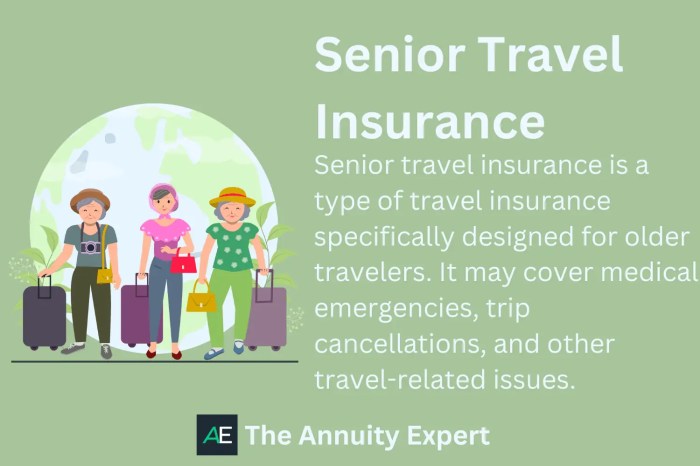
Planning a trip as a senior citizen often involves careful consideration of various factors, especially health concerns. Securing the right travel insurance is paramount to ensuring a safe and enjoyable experience, mitigating potential financial burdens associated with unexpected medical emergencies or trip disruptions. This section details the essential aspects of travel insurance tailored for seniors with health issues.
Health Concerns and Travel Insurance for Seniors
Senior citizens often face a higher likelihood of experiencing specific health issues during travel. These include, but are not limited to, cardiovascular problems (heart attacks, strokes), respiratory illnesses (pneumonia, COPD exacerbations), orthopedic issues (fractures, joint pain), and pre-existing conditions such as diabetes, hypertension, or chronic kidney disease. The severity and frequency of these conditions can vary greatly, emphasizing the need for a customized insurance policy.
Consideration must also be given to the potential for medication interactions, the need for specialized medical equipment, and the increased risk of falls and other accidents. These factors all influence the type and level of coverage required.
Pre-existing Condition Coverage: A Crucial Factor
Pre-existing conditions represent a significant concern for senior travelers. Many standard travel insurance policies exclude coverage for medical expenses related to pre-existing conditions. However, some policies offer pre-existing condition coverage, either with limitations or after a specified waiting period. It is absolutely crucial for seniors to thoroughly review the policy wording regarding pre-existing conditions, including definitions, exclusions, and any limitations on coverage amounts.
Securing a policy that adequately addresses pre-existing conditions is vital for financial protection against unexpected medical events during travel. Failing to do so could lead to substantial out-of-pocket expenses.
Types of Travel Insurance Plans and Senior Citizens
Several types of travel insurance plans exist, each offering varying levels of coverage. Basic plans typically cover trip cancellations, lost luggage, and minor medical emergencies. Comprehensive plans offer broader coverage, including medical evacuation, repatriation, and extended medical expenses. Emergency medical plans focus solely on medical emergencies but may lack coverage for other travel-related issues. For seniors with health issues, a comprehensive plan is generally recommended to ensure adequate protection against a wider range of potential problems.
The level of coverage needed depends on the individual’s health status and the planned trip’s duration and location. For instance, a trip to a remote location may require a plan with robust medical evacuation coverage.
Policy Features for Senior Travelers with Health Concerns
Specific policy features are especially important for senior travelers with health concerns. Medical evacuation coverage is crucial, providing transport from a remote location to a suitable medical facility. Repatriation covers the cost of returning the traveler’s body to their home country in the event of death. 24/7 emergency assistance services provide access to immediate support and guidance during medical emergencies or other travel-related problems.
Coverage for pre-existing conditions, as previously mentioned, is also vital. Policies may also offer features such as coverage for pre-trip cancellations due to health reasons or the need for extended hospital stays. The availability and scope of these features vary between insurers and plans.
Comparison of Travel Insurance Providers for Seniors
The following table compares four hypothetical travel insurance providers, highlighting key features and price points relevant to senior citizens with health concerns. Note that prices are illustrative and can vary based on factors such as age, health status, trip duration, and destination. Always obtain personalized quotes from multiple providers before making a decision.
| Provider | Pre-existing Condition Coverage | Medical Evacuation | Repatriation | Approximate Monthly Premium (65-year-old, 2-week trip) |
|---|---|---|---|---|
| Provider A | Limited (after 30-day waiting period) | Up to $100,000 | Included | $150 |
| Provider B | Full (with limitations) | Up to $500,000 | Included | $225 |
| Provider C | None | Up to $250,000 | Included | $120 |
| Provider D | Full (with specific exclusions) | Up to $1,000,000 | Included | $300 |
Finding Affordable Travel Insurance for Seniors
Securing comprehensive travel insurance is crucial for senior citizens, especially those with pre-existing health conditions. However, the cost can be a significant barrier. This section explores strategies to find affordable travel insurance without sacrificing essential coverage. Understanding the factors that influence pricing and utilizing available discounts can significantly reduce the financial burden.Finding affordable travel insurance for seniors requires careful planning and research.
Several factors significantly impact the final cost, and understanding these factors allows for more effective comparison shopping and potentially lower premiums.
Factors Influencing Travel Insurance Cost for Seniors
Age, pre-existing health conditions, trip length, and destination are key factors determining the cost of travel insurance for seniors. Older travelers generally face higher premiums due to increased risk. Pre-existing conditions, even if well-managed, often lead to higher costs because of the potential for increased medical expenses during travel. Longer trips naturally increase the risk and therefore the cost.
Finally, the destination’s medical infrastructure and potential risks also affect the price; travel to remote or medically underserved areas will usually be more expensive to insure. For example, a 70-year-old with diabetes traveling for three weeks to a remote area in Southeast Asia will likely pay considerably more than a 60-year-old with no health conditions traveling for a week to a major European city.
Potential Discounts and Special Offers
Several avenues exist for finding discounts on senior travel insurance. Some insurers offer age-based discounts or specific programs catering to senior travelers. Many companies also provide discounts for group travel or those booking insurance in advance. Loyalty programs, membership in senior organizations (like AARP), or affiliations with specific travel agencies can also unlock exclusive discounts. It’s always advisable to check directly with insurers or travel agents to inquire about any available discounts.
For example, a travel insurance company might offer a 10% discount for members of a particular senior citizen’s association.
Comparing Travel Insurance Quotes Effectively
A step-by-step approach ensures effective comparison of travel insurance quotes.
- Identify Your Needs: Determine the level of coverage required, considering pre-existing conditions, trip length, and destination. Consider the types of coverage, such as medical emergencies, trip cancellations, and baggage loss.
- Obtain Multiple Quotes: Contact several reputable travel insurance providers and request quotes based on your specific needs and trip details. Utilize online comparison tools to streamline this process.
- Carefully Review Policy Details: Compare not only the price but also the specific coverage details of each policy. Pay close attention to exclusions and limitations. Look for clear and easy-to-understand policy wording.
- Check Customer Reviews and Ratings: Research the reputation and customer service of the insurers you are considering. Online reviews can provide valuable insights into the claims process and overall customer experience.
- Choose the Best Fit: Select the policy that offers the best balance of coverage, price, and customer service, based on your individual circumstances and priorities.
Travel Hacks for Senior Citizens
Planning a trip as a senior citizen doesn’t have to be daunting. With a little preparation and the right strategies, you can enjoy a safe and comfortable travel experience. This section focuses on practical tips and resources designed to simplify the process and enhance your journey.
Careful planning is key to a smooth trip. Consider factors like accessibility, pace, and potential health needs. Remember, the goal is to create a relaxing and enjoyable experience, not a stressful race against time.
Utilizing Travel Resources and Tools
Several online resources and tools can significantly assist in planning and booking trips tailored to senior travelers’ needs. Websites specializing in senior travel often offer curated itineraries focusing on accessibility and slower paces. Many airlines and hotels provide specific services for older adults, such as priority boarding or accessible rooms. Consider using online travel agencies that allow for filtering based on accessibility features.
Trip planning apps can help organize itineraries, book accommodations, and manage transportation, reducing the stress of managing multiple bookings.
Recommended Travel Accessories and Gadgets
Investing in appropriate travel accessories can make a significant difference in comfort and convenience. A lightweight, rolling suitcase with good wheels reduces strain on joints. A comfortable neck pillow can improve sleep quality on long journeys. A magnifying glass can aid in reading small print on maps or documents. A portable charger ensures your electronic devices remain powered throughout the day.
A medical alert bracelet or necklace provides peace of mind in case of emergencies. A walking stick or cane can provide additional support and stability.
Managing Health Conditions While Traveling
Proper medication management is crucial. Carry a sufficient supply of all necessary medications in their original containers, along with copies of your prescriptions. Consult your doctor before traveling to discuss any potential health concerns and obtain necessary medical clearances or recommendations. Familiarize yourself with the healthcare system in your destination, and research the location of nearby hospitals or clinics.
Consider purchasing travel insurance with comprehensive medical coverage. Pack a small first-aid kit with essential supplies, such as bandages, antiseptic wipes, and pain relievers.
Travel Photography Tips for Seniors
Capturing stunning travel memories is a rewarding part of any trip, and seniors, with their wealth of life experience, often have unique perspectives to share through their photographs. This section offers practical advice for senior travelers on improving their travel photography, considering potential physical limitations and embracing technology to simplify the process. We’ll explore camera settings, editing techniques, and creative project ideas to help you make the most of your photographic journey.
Taking high-quality travel photos doesn’t require strenuous physical activity or advanced technical skills. Many modern cameras, even smartphones, offer excellent automatic settings that handle much of the technical work for you. Focusing on composition and subject matter is often more important than mastering complex camera functions. Furthermore, adaptive techniques can be employed to overcome physical limitations, making photography accessible and enjoyable for all senior travelers.
Camera Settings and Techniques for Stunning Photos
Utilizing your camera’s automatic settings is a great starting point. Most modern cameras and smartphones have excellent auto-focus and exposure modes, ensuring sharp images and proper lighting in most situations. However, understanding a few basic settings can elevate your photography. For instance, using a slightly higher ISO (the sensitivity to light) in low-light conditions can help avoid blurry images.
Similarly, understanding the difference between landscape and portrait modes can significantly improve the composition of your photos.
To compensate for limited mobility, consider using a tripod or monopod for stability, particularly when shooting in low light or with telephoto lenses. This will help avoid blurry images caused by shaky hands. Leaning against a wall or other stable surface can also provide support. Experiment with different angles and perspectives; shooting from a seated position can offer unique and compelling viewpoints.
Editing and Sharing Travel Photos
Many free and user-friendly photo editing apps are available for smartphones and computers. These apps often offer simple tools for cropping, adjusting brightness and contrast, and removing blemishes. Apps like Snapseed (Google) and Adobe Lightroom Mobile provide powerful features in an intuitive interface. For sharing, social media platforms like Facebook and Instagram are readily accessible, and many seniors are already familiar with these platforms.
Consider creating a dedicated travel photo album to organize and showcase your memories.
For those less comfortable with technology, consider asking a family member or friend for assistance with editing and sharing photos. Alternatively, many local libraries and community centers offer free computer and technology classes that could help build confidence and skills in this area. The important thing is to share your beautiful travel memories, and there are many ways to achieve this, regardless of your tech proficiency.
Creative Travel Photography Projects for Seniors
Don’t limit yourself to standard snapshots. Senior travelers can embark on creative photography projects that reflect their unique experiences and perspectives. Consider documenting a specific theme, such as local architecture, street scenes, or botanical gardens. Another idea is to create a photographic journal of your trip, capturing daily moments and reflections. This approach allows for a more personal and meaningful approach to travel photography.
A photo essay focusing on a particular aspect of your journey, perhaps a cultural event or a scenic route, can result in a compelling visual narrative. Furthermore, collaborative projects, such as exchanging photos with fellow travelers or participating in online photography groups, can provide inspiration and a sense of community. Remember that the most important aspect is to have fun and enjoy the creative process.
Additional Travel-Related Topics
Planning international trips for senior citizens requires careful consideration of several factors beyond travel insurance. This section will delve into visa requirements, the nuances of senior-specific vacation packages, and the accessibility of various travel options for older adults.
Visa Requirements for Senior Citizens
Securing the necessary travel documents is a crucial first step for any international journey. Visa requirements vary significantly depending on the traveler’s citizenship and the destination country. Senior citizens may face specific challenges or need extra preparation. The following points highlight some common scenarios.
- United States: US citizens generally require visas for travel to many countries, including most of the Schengen Area in Europe, China, India, and Russia. The specific requirements, including processing times, can be found on the websites of the respective embassies or consulates.
- United Kingdom: UK citizens also need to check visa requirements for their intended destinations. The UK government website provides comprehensive information on visa regulations.
- Canada: Canadian citizens face a similar situation, needing to verify visa requirements for their destination country well in advance of travel.
- Australia: Australian citizens should consult the Department of Home Affairs website for details on visa requirements for their chosen destination.
- General Considerations: Senior citizens should allow ample time for visa applications, as processing times can be lengthy. It’s advisable to apply well in advance of the intended travel dates. Furthermore, they should ensure all necessary supporting documentation is included with their applications to avoid delays.
Benefits and Drawbacks of Senior-Targeted Vacation Packages
The travel industry offers a range of vacation packages specifically designed for senior travelers. These packages often cater to the unique needs and preferences of this demographic.
Benefits: Many senior-focused packages emphasize ease of travel, with features like manageable itineraries, comfortable accommodations, and accessible transportation. They may also include guided tours, eliminating the need for extensive independent planning. Some packages incorporate health-conscious options, such as low-impact activities and nutritious meals.
Drawbacks: These specialized packages can sometimes be more expensive than independently planned trips. The itineraries might be less flexible, limiting spontaneous exploration. The pace of activities may not suit all seniors, with some preferring a more relaxed approach.
Features of Vacation Programs for Seniors
Group tours and cruises are popular choices among senior travelers.
Group Tours: These tours often offer pre-arranged transportation, accommodation, and guided excursions. The social aspect of group travel can be particularly appealing to seniors, providing opportunities to connect with others and share experiences. However, the structured nature of group tours may not appeal to everyone.
Cruises: Cruises provide a convenient and all-inclusive vacation experience. Many cruise lines offer amenities tailored to senior travelers, including accessible cabins and onboard medical facilities. However, the potential for seasickness and the confined environment of a ship might be drawbacks for some.
Aspects of Urban Escapes for Senior Citizens
City breaks offer a chance to explore vibrant cultures and historical sites. However, accessibility is a key consideration for senior travelers.
Accessibility: When planning an urban escape, seniors should choose cities with good public transportation and accessible accommodations. Features like elevators, ramps, and wide doorways are essential. Researching the accessibility of specific attractions and landmarks is also important. Many cities offer accessible tours and transportation options specifically designed for seniors or people with mobility challenges. Examples include wheelchair-accessible buses and guided walking tours with manageable distances and rest stops.
Suitability: The suitability of an urban escape for a senior citizen depends on their individual health and mobility levels. Choosing a city with a slower pace of life and fewer crowds can make the experience more enjoyable. Considering the availability of medical facilities and emergency services is also crucial. For instance, a city with a well-established healthcare system and readily available medical assistance might be more suitable than a remote location.
Ultimately, selecting the right travel insurance for senior citizens with health concerns involves careful consideration of individual needs and a thorough comparison of available plans. By understanding the importance of pre-existing condition coverage, exploring various policy features, and utilizing effective comparison strategies, you can confidently embark on your travels knowing you’re well-protected. Remember, peace of mind is invaluable, and the right insurance policy can make all the difference in ensuring a safe and worry-free trip.
Detailed FAQs
What is the difference between comprehensive and basic travel insurance for seniors?
Comprehensive plans offer broader coverage, including medical emergencies, trip cancellations, and lost luggage, while basic plans typically only cover essential medical expenses.
How long before my trip should I purchase travel insurance?
It’s best to purchase travel insurance as soon as you book your trip, or even earlier if you have pre-existing conditions that require review by the insurer.
Can I add my spouse or travel companion to my travel insurance policy?
Yes, many insurers offer options to add family members or travel companions to your policy, though this may affect the overall cost.
What documents do I need to file a claim?
Typically, you’ll need proof of purchase, medical bills, police reports (if applicable), and any other relevant documentation.


